Recherche
Publication
June 2013
City centres – sites of the emergence of a right to a non-dense city?
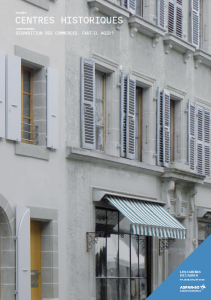
The story is now well known. After decades of demographic decline, Swiss urban centres are winning back inhabitants. Some see this growth in central communities as an encouraging sign that the process of urban sprawl is slowing or coming to an end. As a consequence of the diversification of lifestyles and the transformation of residential desires, the central areas have, it is said, increased in attractiveness. In parallel, the ubiquitous injunction to “remake the city in the city” has led those responsible for the creation of cities urban spaces to concentrate their work on the “transformation” and “modernisation” of long-existing areas. There is enough consensus among professionals in the field on the need to encourage “development of internal urbanisation” that we have decided to produce a short report on the morphological and social-spatial effects of the current policies.
Fondation Braillard Architectes
16, rue Saint-Léger
CH — 1205 Genève
Tel: +41 22 311 17 17
info@braillard.ch


